Sustainability — Bryan Mound Strategic Petroleum Reserve
Bryan Mound Strategic Petroleum Reserve operates as part of the U.S. Strategic Petroleum Reserve, with crude oil stored in deep underground salt caverns. Its environmental management has historically included assessment of water use, brine disposal, oil-spill risks, and impacts associated with storage and distribution infrastructure.
Environmental Stewardship
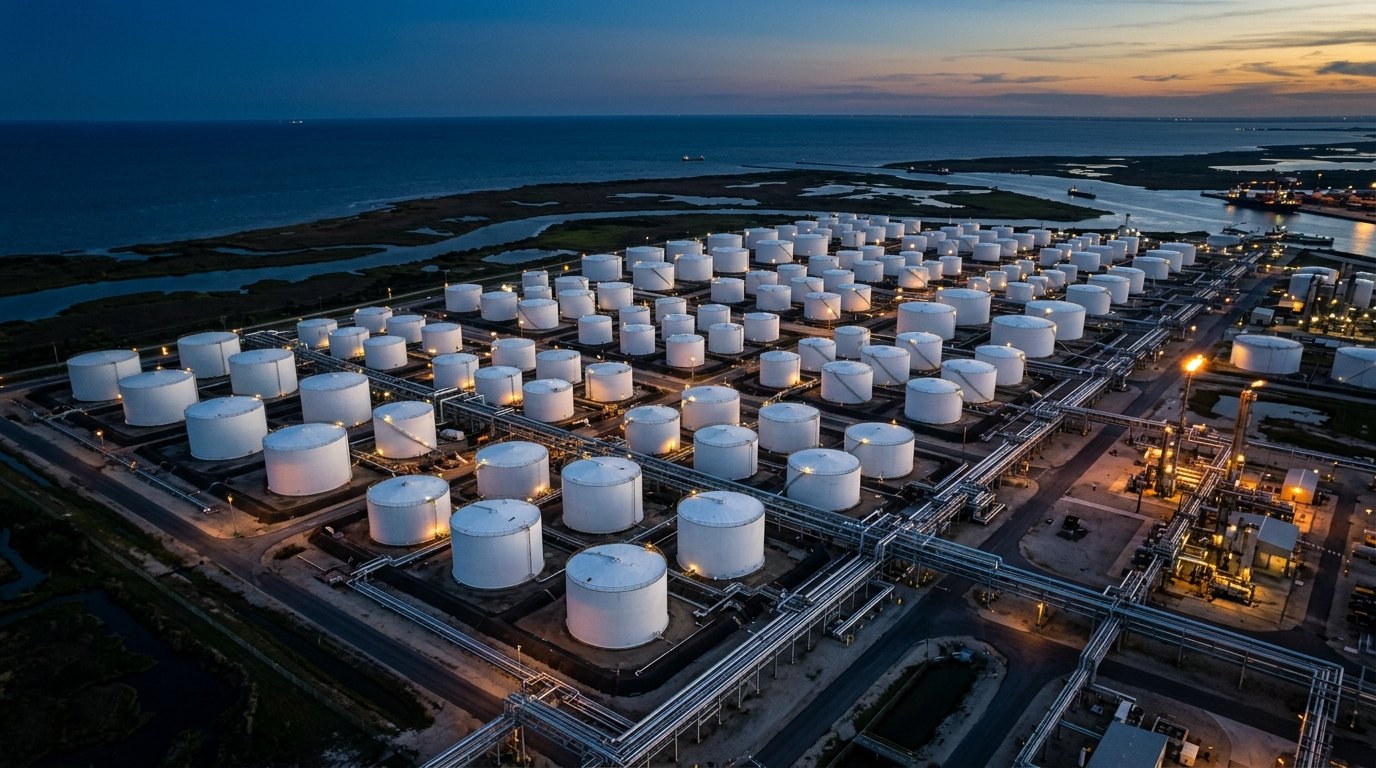
The Bryan Mound facility incorporates underground salt-cavern storage, which keeps the majority of stored crude below ground rather than in large above-ground storage tanks. The site is located in a salt dome containing approximately 1.5 cubic miles of salt extending to about 10,500 feet below the surface.
Responsible Water & Brine Management
Solution mining requires water and produces salt brine. Environmental impact assessments for Bryan Mound have specifically examined water-supply systems and brine-disposal methods, including underground injection and offshore disposal alternatives.
Spill Prevention & Environmental Protection
Environmental planning for the SPR considers potential crude-oil and brine spill risks and their effects on surrounding environments. Operational planning and environmental assessments are therefore an important part of maintaining the site’s infrastructure and emergency-response capability.
Efficient Use of Existing Infrastructure
Underground cavern storage provides substantial crude-oil capacity within a relatively concentrated surface facility. DOE identifies Bryan Mound as the largest of the four SPR storage sites, with storage facilities capable of holding more than 220 million barrels.
Long-Term Environmental Responsibility
Environmental impact statements and subsequent assessments have been used to evaluate changes to the Bryan Mound facility and the wider SPR system. These assessments help identify potential environmental effects and mitigation considerations when infrastructure or operating arrangements are changed.